

While examining “Just Hen Traverse” inside the UK, Chicken Cross Game, it becomes vital to consider player actions, engagement metrics, and match equilibrium. You’ll need to examine not only quantitative information such as victory rates and current playtime but also obtain qualitative perceptions through gamer comments. This extensive strategy helps discover imbalances and fosters community involvement. Yet what specific patterns are currently emerging which might shape the outlook of playing?
Primary Conclusions
- Create explicit criteria for contrasting match systems, participant interactions, and achievement measures so as to ensure a strong study of the Poultry Traverse match.
- Analyze participant participation metrics, such as active game time and frequency, in order to assess the game’s charm within the UK industry.
- Assess contest equilibrium through win rates and participant feedback in order to discover equity and inclusivity in contestant gaming between United Kingdom gamers.
- Obtain descriptive player feedback via surveys in order to acquire insights about contentment and irritations distinct to the United Kingdom player population.
- Employ varied numerical techniques to secure accurate comparisons and offer a thorough comprehension of gamer behavior and engagement inside the UK.
Summary of Equitable Hen Cross Game Dynamics
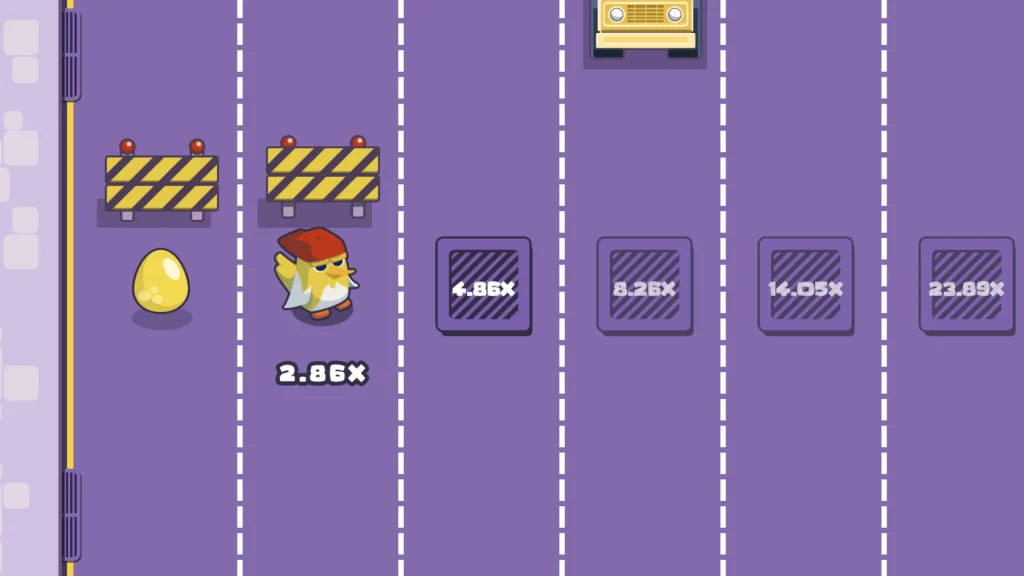
Within the Equitable Hen Cross match, participants traverse a busy farm surroundings, avoiding obstacles as they cross the road safely. You direct a hen, and the primary goal is reach the other end without getting being hit from vehicles or other agricultural hazards.
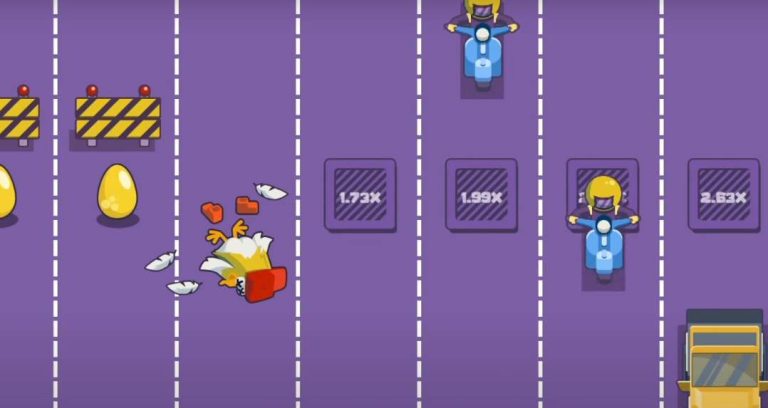
You will encounter numerous challenges, including moving vehicles, puddles, and farm creatures, requiring fast responses and planned thinking. Players are able to collect enhancements that for a short time enhance one’s skills, causing passes less difficult.
Timing is crucial as you decide when to proceed, weighing hazards carefully. The level designs get progressively more difficult, keeping the gameplay interesting.
Each successful crossing grants points, pushing you to improve your skills and achieve better scores, adding replayability to the overall experience.
Metrics for Evaluating Player Behavior
While playing Fair Chicken Cross, understanding player behavior is essential for enhancing the gaming experience. To evaluate this behavior, you can use several metrics. Start with player engagement, which measures how long players are engaged and their frequency of play.
Next, observe player choices, like decision-making speed and preferred strategies, to gauge their adaptability. Another key metric is social interaction, including how often players interact or team up.
Tracking in-game achievements can reveal skill development and motivations. Additionally, player feedback tracxn.com through surveys offers insights into contentment and frustration points.
Framework for Comparison Analysis
Evaluating player behavior in Fair Chicken Cross sets the stage for a solid comparison analysis framework. You’ll want to establish clear parameters that define what you’re comparing—game mechanics, player interactions, or performance metrics.
First, identify key variables, such as decision-making patterns and reaction times. Next, gather data from various player demographics to capture different perspectives. Utilize statistical methods to ensure your comparisons are legitimate and reliable.
You should also consider qualitative feedback to improve your analysis. By framing your analysis efficiently, you can draw significant insights into how different elements of the game influence player experiences. Ultimately, this framework allows you to highlight strengths and weaknesses in Fair Chicken Cross, directing future enhancements.
Impact of Game Design on Player Enjoyment
When you engage in a game, the visual appeal can significantly influence your overall enjoyment.
Captivating game mechanics keep you hooked and make the gameplay unforgettable.
Let’s examine how these elements work together to enhance or diminish your gaming sessions.
Visual Aesthetics’ Influence
Visual aesthetics have a vital role in shaping your entire experience of a video game, influencing your emotional engagement and immersion.
When you engage with visually striking visuals, bright colors, and engaging artwork, it draws you into the gaming universe. You start to feel truly connected to the characters and the narrative, making each instance feel more meaningful.
A consistent art style improves your comprehension of the game’s theme and tone, helping you to appreciate the creative artistry involved. If a video game is visually appealing, it often encourages you to discover, experiment, and invest your time.
In the end, the aesthetics can elevate your experience, transforming casual play into something unforgettable, as you enjoy the beauty and creativity of the world in front of you.
Gameplay Mechanics Engagement
Effective game mechanics are essential for maintaining your interest and invested in a video game. When you interact with user-friendly controls, smooth movement, and gratifying responses, you experience a feeling of involvement that enhances your enjoyment.
Think about how rewarding it feels to master a difficult mechanic or achieve a hard objective. These elements not only challenge you but also promote discovery and experimentation.
A thoughtfully crafted video game values your time and ability, offering gradual benefits that keep you motivated. When mechanics flow seamlessly together, they establish a rhythm that draws you further into the gameplay.
In the end, it’s these thoughtful design choices that enhance your connection to the video game, rendering each gaming session unforgettable and thrilling.
Evaluating Fairness in Competitive Play
When you think about fairness in rivalrous gameplay, assessing game balance is essential.
You need to consider how effectively each character or tactic competes with the others.
Furthermore, assessing gamer ability can reveal whether wins result from skill or disparities in the game.
Game Balance Evaluation
As you explore the Fair Chicken Cross Game, you’ll quickly understand that balanced gameplay is vital for preserving competitive integrity. A well-balanced game ensures that no single character, tactic, or item consistently dominates others, keeping games exciting and unforeseeable.
You’ll need to investigate how various elements engage and whether particular decisions lead to inequitable advantages. Examine victory rates and player feedback to spot potential disparities. This data helps you determine if adjustments are necessary, such as tweaking character abilities or altering game systems.
Participating in routine assessments fosters a equitable setting and encourages players to improve their tactics, eventually enhancing their overall gameplay. A equilibrated game keeps all players invested and motivated to enhance their skills.
Player Skill Assessment
While evaluating gamer ability is crucial for guaranteeing equity in rivalrous gameplay, it also enriches the gameplay.
By accurately assessing your skill level, you can recognize strong points and weaknesses that shape your gaming tactics. You’ll discover that comprehending your abilities helps you select suitable matches, resulting in more engaging and equilibrated matches.
In the Fair Chicken Cross Game, various metrics—like win rates, response times, and decision-making skills—are vital to this assessment.
Focusing on these factors allows you to improve your abilities and develop a stronger connection with the game. So, accept the review process; it not crunchbase.com only fosters equity but in the end improves your satisfaction and contentment as you contend with others.
Case Studies of Gameplay in the UK
Although numerous case studies have explored gameplay in the UK, some depict the singular dynamics of the Fair Chicken Cross Game. Players often share their stories, observing how planning and coordination considerably influence consequences.
One case study emphasized a local tournament where players adapted their strategies based on weather conditions, exhibiting versatility in gameplay.
Another focused on social interactions, as players often teamed up or collaborated, improving the overall encounter.
You might also notice that diverse age groups handle the game differently; more youthful players tend to be more assertive while more mature players prefer prudence.
These insights provide you with a better picture of how various factors affect gameplay, making the Fair Chicken Cross Game not just a assessment of ability, but also a reflection of local heritage.
Future Implications for Game Development and Community Engagement
Building on the findings from case studies in the UK, the prospects of game development for the Fair Chicken Cross Game can greatly gain from these social interactions. Engaging players in the design process encourages a sense of ownership and connection, enabling you to access notions that align with your community. Integrating public feedback not only improves gameplay but also strengthens bonds among players.
Furthermore, hosting events and competitions can boost involvement, encouraging users to dedicate effort in the game. Emphasizing inclusivity ensures a more extensive player base, which can bring about continued engagement.
As you prioritize these elements, you’ll establish a vibrant ecosystem where players feel important, ultimately resulting in a thriving community that supports long-term game achievement.
Frequently Asked Questions
What Motivated the Inception of Fair Chicken Cross Game?
You’ll find that the fair chicken cross game emerged from a desire to create engaging, interactive experiences. It encourages teamwork and strategy, encouraging players to cooperate while navigating challenges in a entertaining and gratifying way.
How Can Players Contribute to Game Development Feedback?
You can add to game development feedback by expressing your experiences, suggesting improvements, and notifying bugs. Interacting with developers on forums or surveys guarantees your voice shapes the game’s future favorably. Your input really matters!
Are There Any Cross-Game Tournaments Planned for the Future?
Yes, there’re cross-game tournaments planned in the future. You can remain aware by following game developers’ announcements or participating in community forums where information about future events and participation opportunities are frequently shared.
What Demographic Trends Are Observed Among Players in the UK?
You’ll notice a growing diversity in UK players, with an rise in female participation and younger gamers. Age groups are evolving, with more millennials and Gen Z engaging, reflecting broader societal trends in gaming culture.
How Does Fair Chicken Cross Impact Local Gaming Communities?
Fair Chicken Cross promotes camaraderie and collaboration in local gaming communities. You’ll see players sharing strategies, creating teams, and taking part in events, which enhances bonds and improves the overall gaming experience for everyone involved.
Conclusion
In summary, the evaluation methodology for analyzing “Fair Chicken Cross” delivers vital understandings into participant conduct and game equilibrium. By analyzing involvement metrics alongside gamer feedback, you can determine both strong points and weaknesses within the play. This approach not only improves contest equity but also cultivates a flourishing community. As you consider the upcoming, these findings will be priceless for enhancing play creation and enhancing player gratification, ultimately guaranteeing long-term success for “Fair Chicken Cross.”