

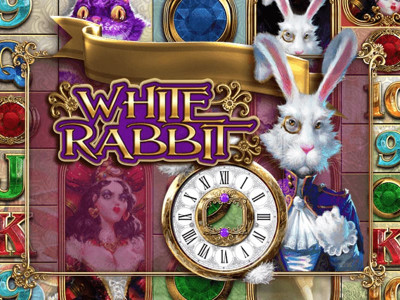
The “White Rabbit” slot utilizes strategic color associations that greatly influence player experience. By incorporating bright reds, https://whiterabbitslot.eu/, deep blues, and playful greens, this game taps into fundamental psychological principles. These colors not only attract players on an emotional level but also affect their decision-making processes. Understanding how these color choices affect gameplay can expose deeper insights into the design intentions behind this popular slot game. What are the consequences of this color psychology for player behavior?
The Role of Color in Gaming Experience
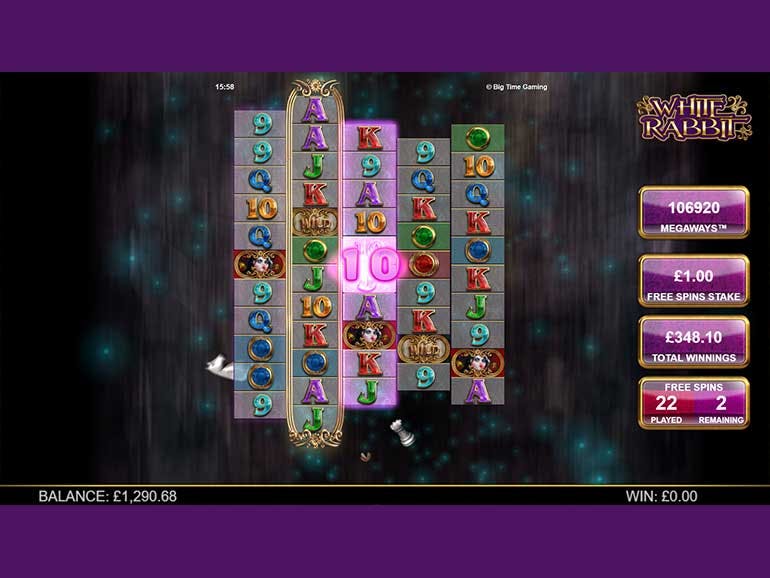
While players often focus on gameplay mechanics, the choice of color in games like White Rabbit Slot significantly influences their overall experience. The color palette functions as a crucial element in setting the game’s mood, focusing player attention, and boosting visual storytelling. Lively colors pull players in, forming an immersive environment that reflects the whimsical theme of the game. Specific color combinations can denote different game elements, thereby affecting perception and interaction. For example, the use of bright hues can elicit excitement and energy, while softer colors might foster calmness and focus. Designers strategically utilize these associations to improve user engagement, making sure that players remain involved in the gameplay. Ultimately, color is more than adornment; it’s a fundamental aspect of the gaming experience.
Color Psychology: Grasping Emotional Responses
As players engage with the White Rabbit Slot, their emotional responses are greatly influenced by color psychology, which investigates how various hues can elicit specific feelings and reactions. Colors like azure often evoke serenity and tranquility, improving focus during gameplay. Similarly, greens promote harmony and renewal, providing a sense of comfort. Conversely, somber colors can induce feelings of enigma or even anxiety, shaping players’ anticipation and engagement. Yellow, associated with cheerfulness and positivity, can elevate the overall gaming experience by nurturing an lively atmosphere. Understanding these associations allows designers to craft visually compelling environments, encouraging players to immerse themselves deeply in the game while experiencing a range of emotional reactions that elevate their overall enjoyment.
Bright Reds: The Color of Excitement and Energy
Bright reds, often viewed as the color of thrill and energy, play a crucial role in shaping the player experience in the White Rabbit Slot. This lively hue captures attention and stimulates emotional responses, enhancing gameplay interactions. The implications of bright reds can be dissected into three critical aspects:
- Increased Arousal
- Attention-Grabbing
- Symbolism of Win
Deep Blues: Evoking Calmness and Reflection
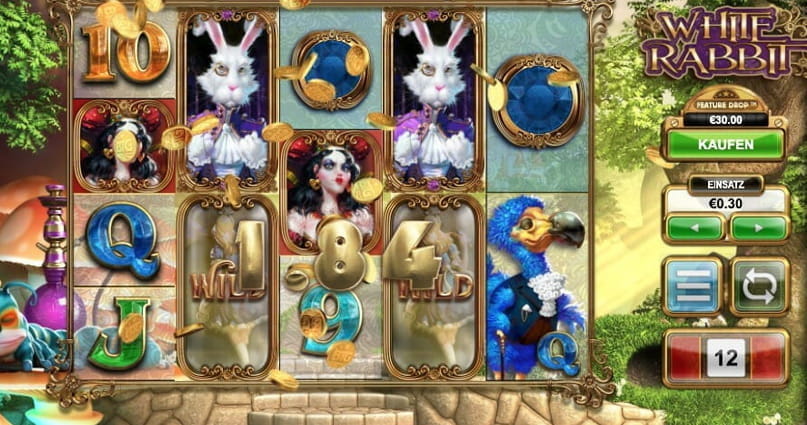
Deep blues are often associated with psychological effects that promote serenity and introspection, making them an fascinating choice in the gaming environment. In the context of the White Rabbit Slot, these shades can boost gameplay by creating a calm atmosphere that encourages players to engage mindfully. This juxtaposition of tranquility and excitement may lead to a more immersive experience, altering player perceptions and emotions during play.
Psychological Effects of Blue
While many colors elicit a range of emotional responses, deep blues are particularly known for their ability to evoke calmness and self-examination. This phenomenon stems from several psychological associations tied to the color blue:
- Serenity
- Cognitive Clarity
- Emotional Stability
The implications of these effects are significant in therapeutic settings, creative spaces, and personal environments, where individuals seek peace and mental rejuvenation. Understanding these psychological effects allows for more deliberate color choices in various contexts, optimizing emotional experiences.
Deep Blues in Gameplay
The impact of deep blues in gameplay has a vital role in forming player interactions and emotions. These colors foster a sense of calmness, promoting relaxation and focus during gameplay. Research suggests that deep blues diminish stress and create a tranquil atmosphere, boosting concentration on tasks and decision-making processes. In the context of the White Rabbit Slot, the strategic use of these hues aids in cultivating a reflective environment, allowing players to engage themselves fully in the experience. Additionally, the serene qualities of deep blues can help counterbalance the excitement produced by traditional bright colors, providing players with a multi-faceted emotional journey. Ultimately, deep blues enhance gameplay by aligning with psychological principles that encourage mental well-being and heightened engagement.
Playful Greens: Symbolism of Whimsy and Growth
As players traverse the lively scenery of the White Rabbit slot, playful greens surface as a prominent color, representing whimsy and growth. This radiant hue not only improves the aesthetic appeal but also elicits cheerful emotions linked to optimism and renewal, aligning deeply with players.
The significance of playful greens can be analyzed into three key aspects:
- Whimsy
- Growth
- Balance
Through these associations, playful greens enhance meaningfully to the overall atmosphere of the slot.
Enhancing Gameplay: Utilizing Color for a Better Experience
Color serves an essential function in improving gameplay experiences, especially within the dynamic atmosphere of the White Rabbit slot. The deliberate use of bright hues affects gamer emotions and choices. For instance, hot shades like red and orange provoke thrill and urgency, potentially increasing wagering activity. In comparison, cool colors such as blue and green evoke serenity and attention, improving prolonged participation. By utilizing a range of hues designed to harmonize with the themes of journey and fancifulness, developers can foster a more immersive atmosphere. Additionally, uniform shade links solidify image identity, rendering the slot noteworthy. In the end, gamers can benefit from a nuanced grasp of hue interaction, which not only boosts pleasure but also may affect their total gaming strategy.
Conclusion
To recap, the thoughtful use of hue in the “White Rabbit” slot significantly impacts gamers’ sessions. Lively reds inject excitement, rich blues give serenity, and whimsical greens nurture a feeling of fancifulness. These hue associations not only enrich feeling participation but also organize gamers’ concentration and fun. By strategically utilizing these hues, the experience builds a more immersive, more captivating environment that attracts players in, ultimately boosting their entire playing experience and satisfaction.